Every October, shop windows fill up with skeletons, witches and fake cobwebs, and a Catholic business owner can feel stuck between joining in and sitting the whole thing out. There’s a third option. Halloween is, by name and by date, the eve of All Saints’ Day, and that gives a Catholic business plenty of room to celebrate in a way that fits its values.
That can mean saint costumes instead of gore, a storefront that points toward November 1, a parish fundraiser, or simply a short explanation of where the holiday’s name comes from. The ideas below work for a small shop, an office or a restaurant, and none of them require you to give up the candy and pumpkins your customers enjoy.
Halloween
Halloween is celebrated every year on October 31. Today it means costume parties, trick-or-treating and pumpkin carving, and for many families it’s simply a fun night in the neighborhood.
Its origins are more debated than most articles admit. One common view links many Halloween customs to Celtic harvest festivals, especially the Gaelic festival of Samhain. Other scholars argue that Halloween began on its own as a Christian observance, the vigil of All Hallows’ Day. The likeliest picture is a mix: a Christian feast with folk customs that grew up around it over the centuries. For Catholics, the meaning that matters is clear from the calendar.
All Hallows’ Eve
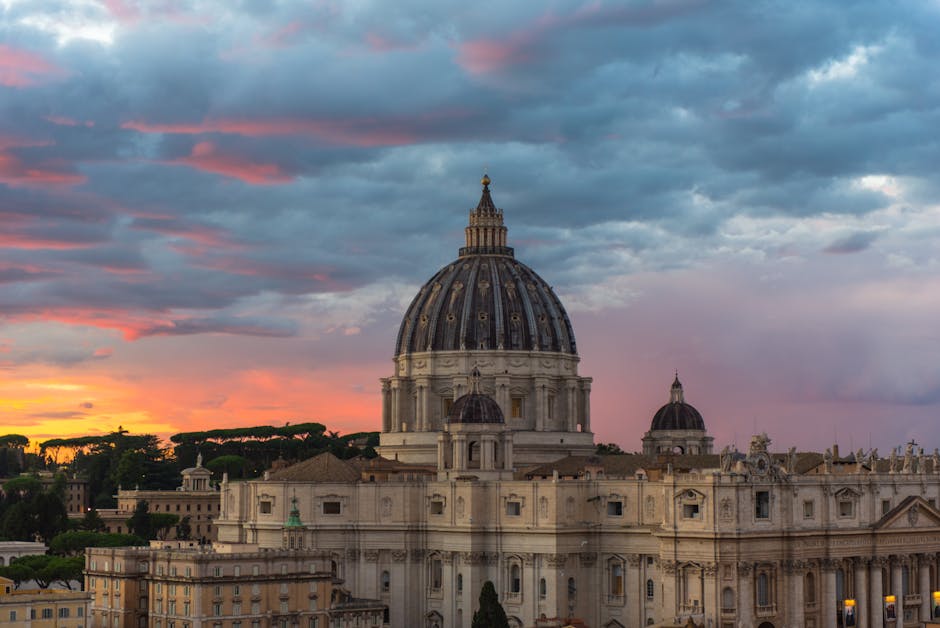
The name “Halloween” is derived from All Hallows’ Eve, the night before All Saints’ Day on November 1st. “Hallow” comes from the Old English word for holy and has long been used to mean a saint. The date itself goes back to Pope Gregory III (731 to 741), who dedicated a chapel in St. Peter’s Basilica to all the saints and fixed the anniversary on November 1. A century later, Pope Gregory IV extended the November 1 celebration to the whole Church.
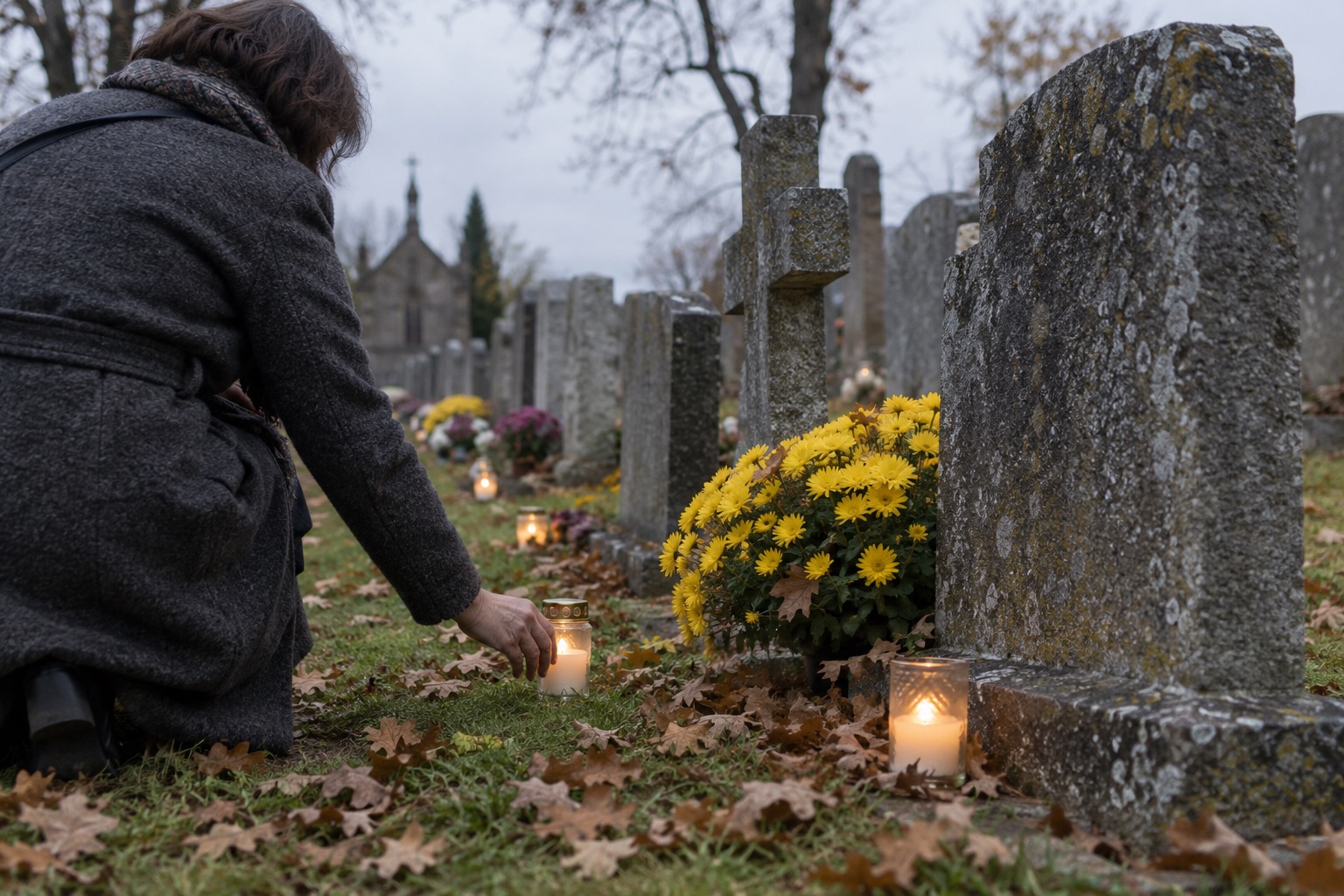
All Saints’ Day honors every saint in heaven, the famous and the unknown. The next day, November 2, is All Souls’ Day, when the Church prays for all the faithful departed. In the United States, All Saints’ Day is a holy day of obligation, except in years when November 1 falls on a Saturday or a Monday. Taken together, October 31 to November 2 is a three-day stretch about holiness, death and hope, which is a far richer theme than anything in the seasonal aisle.
How to Prepare for Halloween in a Catholic Sense
One simple way businesses prepare for Halloween in a Catholic sense is to let All Saints’ Day shape their marketing and promotions. A bookstore or gift shop can feature books about saints, holy cards and medals. A bakery can name a special after a patron saint. A service business can share a short post about a saint known for a virtue it values, such as honesty, generosity or courage.
Keep the tone light. Most customers are coming in for candy and costumes, and a friendly saint display next to the pumpkins invites curiosity without lecturing anyone.
Catholic Halloween Decorations for Shops and Offices
Decorating is where many Catholic owners feel the most tension. Harvest decorations are an easy place to start: pumpkins, gourds, hay bales, mums and fall leaves fit the season and offend no one. From there, you can add touches that point to the feasts that follow.
- A window or counter display of saints, using statues, framed prints or children’s drawings of their favorite saints.
- Pumpkins carved or painted with simple Christian symbols such as a cross, a star or a heart. Our guide to Catholic symbols and their meaning has more ideas.
- A small remembrance table for All Souls’ Day with flameless candles and a notebook where customers can write the names of loved ones who have died, which you can then bring to your parish.
- A chalkboard sign that explains the name: Halloween means the eve of All Hallows, or All Saints.
Many owners choose to skip decorations that make light of evil, such as demons or occult imagery, while keeping friendly costumes and candy. That’s a judgment call for each business, and it’s worth deciding before the shipment of seasonal stock arrives.
Fundraising Events
Another way businesses can prepare for Halloween in a Catholic sense is by organizing events that connect the fun of the night with the meaning of the feast. You could host a costume party where guests dress as a saint or a biblical figure, or a pumpkin carving contest with a religious theme.
Partnering with a local parish works especially well. Many parishes already run trunk-or-treat nights or All Saints parties, and a business can donate candy, sponsor prizes, or set aside a share of one day’s sales for the parish school or a Catholic charity.
Outreach
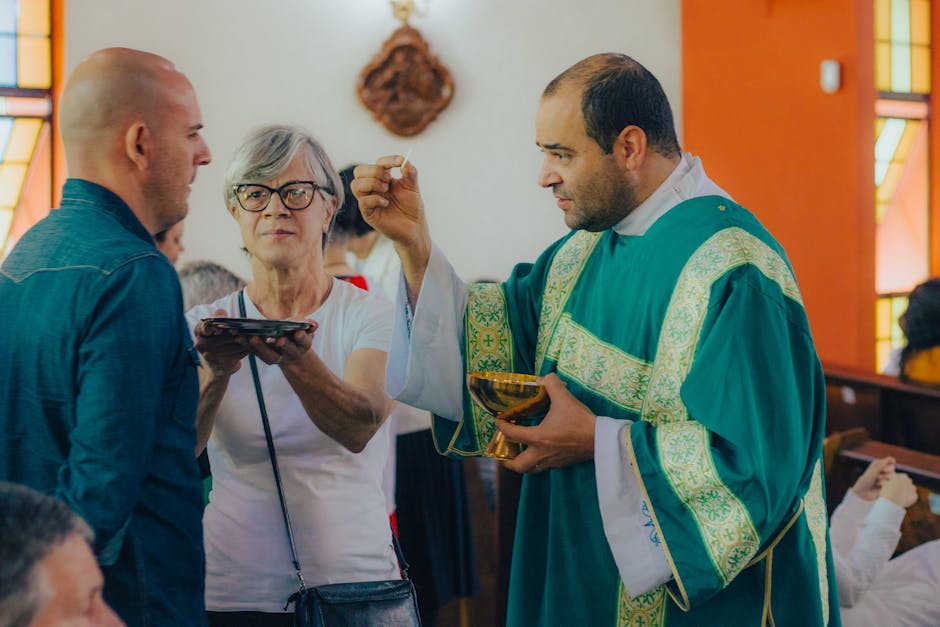
Businesses can also use Halloween as a quiet opportunity for outreach. Trick-or-treaters could receive a holy card or a bookmark with a saint’s name and feast day along with their candy. A note on your receipts or in your newsletter can wish customers a blessed All Saints’ Day and let them know when nearby parishes have Mass that day.
All Souls’ Day is the Church’s day of prayer for all the faithful departed. Offering to keep customers’ loved ones in your prayers, or inviting them to add names to your All Souls book, is a small gesture that people tend to remember.
Education
Halloween is also a chance to share a little history with employees and customers. Many people have never connected Halloween with All Saints’ Day and All Souls’ Day, and they find the story interesting. A short social media post, a sign by the register or a staff conversation about where the name comes from can clear up misconceptions about Catholics and the holiday without making anyone feel judged for enjoying it.
Supporting Local Catholic Businesses
Finally, businesses can use the season to show their support for the local Catholic community. Buy your costumes, candy, flowers and party supplies from other Catholic-owned businesses when you can, sponsor a parish event, or donate a portion of the week’s profits to a Catholic charity. Customers who share your faith notice these choices, and the relationships last well past October.
Halloween doesn’t have to be a holiday a Catholic business merely tolerates. Treat it as the doorway to All Saints’ Day and All Souls’ Day, keep the fun, and add a few touches that point to what the night is named for. To find Catholic-owned shops, florists and caterers near you for your own celebrations, start with a search of the Catholic Business Directory.
Sources and further reading
- All Saints’ Day, Catholic Encyclopedia (1907), New Advent
- All Souls’ Day, Catholic Encyclopedia (1907), New Advent
- Holy days of obligation in the United States (canon 1246, complementary norms), USCCB
- What is the significance of All Saints’ Day?, Basilica of the National Shrine of the Immaculate Conception