A Faith That Builds Bridges: Mercy and Justice at Home and Abroad
The Catholic vision for public life calls us to be artisans of peace, applying the same steady principles of dignity, dialogue, and the common good to contentious issues in our communities and complex crises across the globe.
In a world often torn between harsh judgment and lawlessness, our faith offers a more excellent way. It is a path that requires the courage to hold two seemingly opposed ideas in perfect tension: a profound mercy for the vulnerable and a steadfast respect for just laws that protect the community. This challenge presents itself both in our own towns and on the world stage, calling every Catholic to be a builder of communion rather than an agent of division.
The Challenge in Our Own Backyard
Consider the heated debates surrounding immigration that touch our nation. We witness painful situations where enforcement of laws tragically intersects with human desperation. In these moments, it is easy to retreat into partisan camps. Yet, the Church, like a concerned mother, urges a more thoughtful and humane path forward. A pastoral vision calls for a sense of proportion in upholding the law. It suggests that enforcement efforts could focus on those who truly present a criminal threat to public safety, rather than creating a climate of fear through indiscriminate actions that can tear families apart.
This approach does not negate the importance of secure borders or the rule of law. On the contrary, it strengthens it by grounding it in justice and human dignity. Leaders are called to speak with prudence, avoiding inflammatory language that pits neighbor against neighbor or demonizes those tasked with enforcing our laws. Likewise, while the right to protest is essential, it must be exercised with a respect for civil order, ensuring that law enforcement can perform its duties without interference or danger. The goal is to lower the temperature, fostering an environment where real solutions can be found—solutions that honor the dignity of the migrant and the integrity of the nation.
He has told you, O man, what is good; and what does the LORD require of you but to do justice, and to love kindness, and to walk humbly with your God?
Micah 6:8
The Global Vocation to Peacemaking
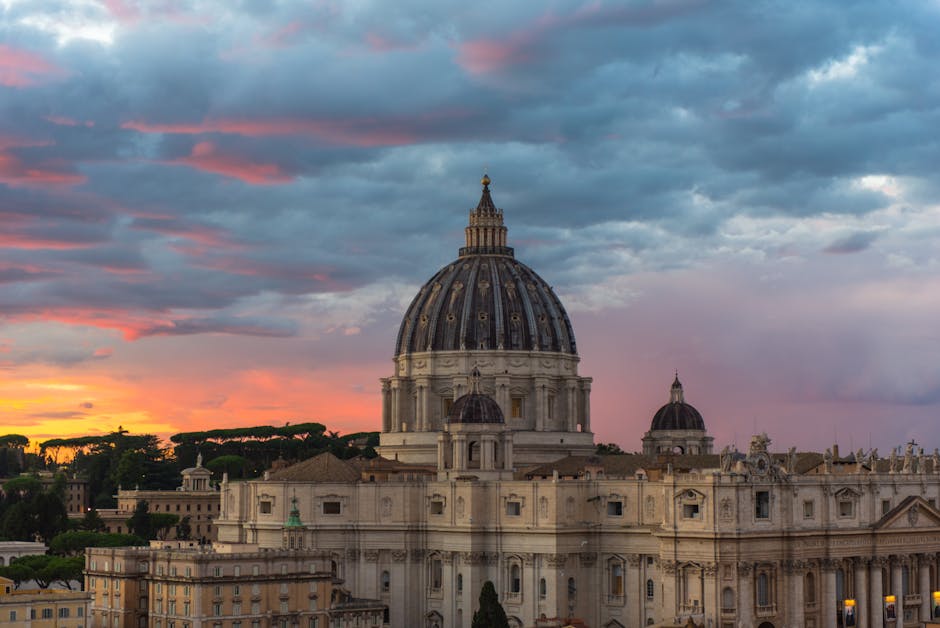
This same commitment to patient, principled engagement extends to the Church’s role in the world. When a nation suffers from deep political division, economic collapse, and social unrest, the temptation is to seek quick, forceful solutions. Yet the Holy See consistently models a different approach: the quiet, persistent work of diplomacy. This path involves seeking dialogue with all parties, striving to prevent violence and bloodshed, and patiently working toward agreements that can restore stability and foster a return to democratic life.
This work is often hidden and rarely produces immediate results. It is a testament to the belief that peace is more than the absence of conflict; it is the fruit of justice, dialogue, and a shared commitment to the common good. The Church’s role is not to choose a political side but to defend the human person, advocating for processes that respect the will of the people and create conditions for economic recovery and social healing. It is a long-term investment in peace, undertaken with hope even when circumstances appear bleak.
Blessed are the peacemakers, for they shall be called children of God.
Mt 5:9
Two Arenas, One Catholic Vision
Whether addressing a domestic policy crisis or an international conflict, the underlying moral grammar is the same. It is a profound belief in the God-given dignity of every human being, created in His image and likeness. It is a conviction that society flourishes only when it pursues the common good, not the narrow interests of a particular faction. And it is a commitment to the virtues of prudence and charity, which allow us to navigate complex realities with both wisdom and compassion.
This integrated vision has powerful implications for our daily lives. It challenges us to see the face of Christ in the migrant, the law enforcement officer, the diplomat, and the foreign citizen. It calls us out of our echo chambers and into authentic encounters with those who hold different views, seeking to understand before seeking to be understood.
Putting Principles into Practice
Living out this call requires intentional habits of heart and mind. We are called to cultivate virtues that build up society, whether in our families, parishes, or workplaces. The following table offers a guide for translating these core Catholic principles into concrete daily actions.
| Practice | Where to Apply | Why It Serves the Common Good | First Small Step |
|---|---|---|---|
| Prudent Speech | Family conversations, social media, work emails | It lowers societal tension and prevents the demonization of others, creating space for real dialogue. | Pause and re-read a comment or email before posting, asking if it builds up or tears down. |
| Seeking Understanding | Parish meetings, local town halls, conversations with friends | It acknowledges the dignity of others and their experiences, making collaborative solutions possible. | In your next disagreement, ask a sincere question to understand the other person’s view before stating your own. |
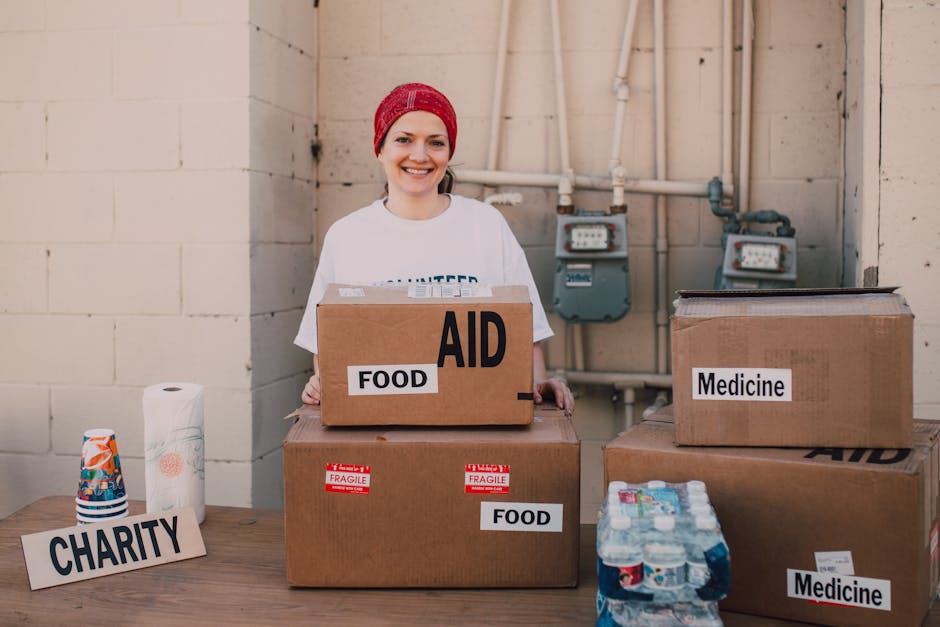
| Upholding Both Mercy and Justice | Hiring practices, charitable giving, civic advocacy | It reflects God’s own character and prevents society from falling into either harsh legalism or chaotic permissiveness. | Support a ministry that both serves migrants’ immediate needs and respects the legal process. |
| Praying for Leaders | Daily prayer, family rosary, parish intercessions | It entrusts complex problems to God’s providence and supports those with heavy responsibilities. | Name one local and one national leader in your prayers this week, asking for wisdom on their behalf. |
| Championing Human Dignity | Business policies, school curriculum, community engagement | It establishes the non-negotiable foundation for a just society where every person is valued. | Review your workplace policies to ensure they reflect a profound respect for every employee. |
An Examination of Conscience for Public Life
To cultivate a disposition of peace and justice, we can regularly examine our own contributions to the civic discourse. Here is a short checklist to guide our reflection:
- Have I spoken about those with whom I disagree, including political figures or groups, with charity and respect?
- Have I made a sincere effort to learn the facts of a situation before forming a strong opinion?
- Do I seek out and listen to the Church’s social teaching when considering complex public issues?
- Does my consumption of news and media lead me toward greater anxiety and anger, or toward prayerful and prudent action?
- Have I actively prayed for peace in my community and in a troubled part of the world this week?
If it is possible, as far as it depends on you, live peaceably with all.
Rom 12:18
Walking Forward in Hope and Charity
The path of a faithful Catholic in the public square is not one of political calculation but of evangelical witness. We are called to be a leaven in society, patiently working to build a culture that defends the dignity of all, from the immigrant seeking a new life to the citizen yearning for a stable society. This mission requires us to be bilingual, speaking the language of both mercy and justice with equal fluency. By rooting our public engagement in prayer, forming our consciences with the Church’s wisdom, and committing to the slow, steady work of dialogue, we can be credible signs of hope, building bridges of understanding where others have built walls of fear.