
Stewards of the Public Square
Our Catholic faith calls us to engage with complex questions in healthcare, politics, and civic life with charity, clarity, and courage, transforming society from within.
In a world of competing values and complex legal frameworks, the Catholic call to be a faithful citizen can feel like a profound challenge. How do we participate in public life, contribute to the common good, and operate our institutions in a way that remains true to the Gospel? This is not a question with easy answers, but a vocation to be lived out with prudence and grace. From the halls of our hospitals to the global stage of diplomacy, we are invited to be stewards of a truth that heals, unites, and upholds the dignity of every human person, from conception to natural death.
The Sanctuary of Conscience in Public Service
One of the most pressing questions of our time involves the mission of our Catholic institutions. When civic law asks our healing ministries to participate in acts that contradict the sanctity of life, how are we to respond? In places like Canada, this question has moved from the abstract to the courtroom, where Catholic hospitals founded to preserve life are being challenged to facilitate medically assisted death within their walls. The debate tests a foundational promise of a pluralistic society: whether communities of faith can operate public-facing ministries according to their core convictions.
The issue is not merely legal but deeply pastoral. At stake is the very identity of Catholic healthcare as a ministry of accompaniment. Proponents of compelling these facilities to act against their mission argue for a uniform standard of access, suggesting that any deviation causes undue hardship. Yet this perspective overlooks a crucial truth: genuine care is never one-size-fits-all. A truly compassionate healthcare system makes space for diverse approaches, recognizing that for many people, healing includes spiritual and moral integrity. For some patients, the ability to receive palliative care in an environment explicitly free from the offer of a premature death is a profound source of psychological security and peace. Our Catholic hospitals, by their very nature, are called to be such sanctuaries. They exist not to exclude, but to offer a distinctive form of whole-person care rooted in the belief that every life has inestimable value.
“You are the light of the world. A city set on a mountain cannot be hidden.”
Mt 5:14
The Dialogue of Dignity on the World Stage
While some fronts of our public witness involve legal defense, others require the quiet and steady work of dialogue. The Church also engages the world by listening to and affirming civic leaders who strive for justice and human dignity, often in circumstances of great turmoil. When the Holy Father meets with a figure like Venezuelan Nobel laureate Maria Corina Machado, it signals more than a formal greeting. It is an act of pastoral accompaniment for those working through peaceful and democratic means to secure a just future for their people. It represents the Church’s commitment to fostering a culture of encounter, where the moral responsibilities of leadership are brought into conversation with the timeless truths of the Gospel.
This form of engagement reminds us that our concern for the common good transcends borders and political parties. The Church’s interest in civic life is not about seizing power, but about championing the foundational principles that allow societies to flourish: freedom, solidarity, and a profound respect for every person. These encounters show that the Church’s mission includes honoring the lived experience of peoples striving for a better world and encouraging leaders who bear witness to the power of democratic participation.
“Blessed are the peacemakers, for they will be called children of God.”
Mt 5:9
From Principle to Practice: A Framework for Faithful Citizenship
Bringing our faith into the public square requires both conviction and practical skill. The following practices can help us navigate complex conversations at home, at work, and in our communities, building bridges of understanding while remaining faithful to the truth.
| Practice | Where to Apply | Why It Serves the Common Good | First Small Step |
|---|---|---|---|
| Authentic Listening | Parish councils, workplace meetings, family discussions | It fosters mutual understanding and builds trust before debates begin, affirming the dignity of the other person. | In your next conversation, ask one clarifying question before stating your own view. |
| Prudent Speech | Social media posts, public forums, letters to officials | It upholds the dignity of others and ensures our message is received with clarity, not dismissed because of hostility. | Reread a post or email and remove any inflammatory or uncharitable language before sending. |
| Defending Institutional Identity | Catholic-owned businesses, schools, healthcare clinics | It ensures our ministries remain a clear and consistent witness to the Gospel in a pluralistic world. | Review your organization’s mission statement with your team and discuss how to live it more fully. |
| Seeking Common Ground | Civic engagement, ecumenical or interfaith groups | It allows for collaboration on shared goals, like protecting the vulnerable, even amid serious disagreements. | Identify one area of sincere agreement with a person or group you often disagree with. |
| Accompaniment with Truth | Caring for the sick, the elderly, or the marginalized | It combines Christ’s call for mercy with His unwavering commitment to the truth about the goodness of human life. | Spend time with someone in your community who is suffering, simply to be present with them. |
Cultivating Habits for the Public Square
Our witness is most effective when it flows from a life of prayer and intentional habit. Consider integrating these actions into your personal, family, and parish life.
“Always be ready to give an explanation to anyone who asks you for a reason for your hope, but do it with gentleness and reverence.”
1 Pt 3:15-16
- Form a small group in your parish to study and discuss the Church’s social teaching.
- Identify your local elected officials and pray for them by name each week, asking for their wisdom and integrity.
- Practice explaining a difficult Church teaching to a trusted friend with both clarity and compassion.
- Examine your own media consumption to ensure you are listening to diverse perspectives, not just those that confirm your own.
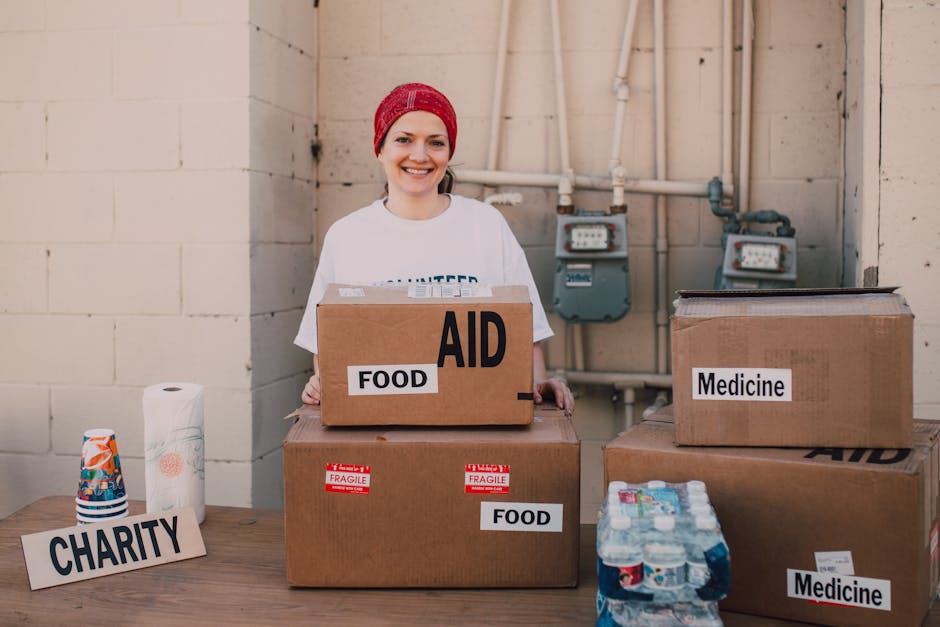
- Volunteer with a local charity that serves the vulnerable, putting the principle of solidarity into concrete action.
- Write a thoughtful, respectful letter to a public official about an issue that touches on human dignity.
As we navigate these challenges, we are called to be neither aggressors nor silent bystanders. Our vocation is to be leaven in society, offering a vision of humanity that is both compelling and life-giving. By grounding our public engagement in prayer, forming our consciences with care, and acting with a charity that seeks the good of all, we become the stewards God calls us to be. We can help build a civilization where justice and mercy meet, and where the sacredness of every person is honored not just in our churches, but in our laws, our hospitals, and our hearts.