
The Art of Faithful Engagement: Family, Sanctuary, and the Common Good
Contemporary legal and social pressures, from courtrooms debating parental rights to immigration enforcement near our church doors, call Catholics to a renewed commitment to mercy, justice, and prudent dialogue in building a society that honors human dignity.
The landscape of our public life often presents complex challenges that test our faith. Consider two situations that touch the very heart of Catholic life: one involves the sacred bond between parents and children, and the other concerns the Church’s mission to be a place of refuge and mercy. In the first instance, a significant legal battle unfolds over whether schools can withhold critical information from parents about a child’s exploration of gender identity. This conflict raises profound questions about the God-given role of parents as the primary educators and protectors of their children. In the second, a parish community finds its life disrupted and its members living in fear after immigration authorities conduct surveillance on its grounds, highlighting the tension between civil law and the Gospel call to welcome the stranger.
These are not distant political debates; they are pastoral realities that affect our families, our pews, and our conscience. They demand a response that is neither reactionary nor withdrawn, but one rooted in the deep well of Catholic social teaching, which guides us in navigating the intersection of faith, law, and love.
The Family as the First Sanctuary
The Church has always taught that the family is the domestic church, the first school of virtue and the most essential cell of society. It is within the family that a child’s identity is first nurtured, where faith is passed down, and where the deepest questions of life are explored under the guidance of a mother and father. When other institutions, however well-intentioned, create a wall of secrecy between parents and children on matters as intimate as personal identity, this foundational trust is jeopardized.
The legal arguments against such school policies are not merely about parental authority but about the health and safety of the child. Parents are entrusted by God with the care of their children’s bodies and souls. To be kept in the dark about profound changes or struggles their child is experiencing hinders their ability to provide the love, support, and guidance necessary for healthy development. The state’s role is to support the family, not supplant it. Forcing educators to conceal such information from parents creates an adversarial relationship where partnership is needed most, and it can leave vulnerable young people isolated at a critical time.
As we pray for wisdom for our judges and lawmakers, we are also called to strengthen the bonds within our own homes, ensuring they are places of open communication and unconditional love, where our children know they can bring their fears and questions without hesitation.
Train up a child in the way he should go; even when he is old he will not depart from it. (Proverbs 22:6)
The Parish as a Field Hospital
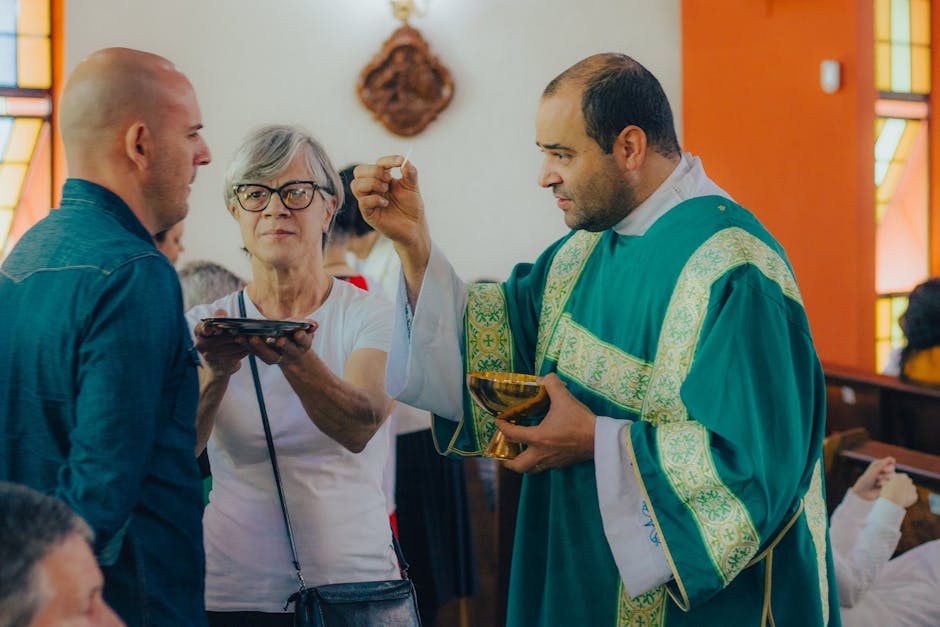
Just as the home is a sanctuary for the family, the parish is meant to be a sanctuary for the community—a place of healing, welcome, and encounter with the living God. When the shadow of fear falls upon a church, it can stifle this mission. In one Midwestern community, the visible presence of immigration enforcement vehicles near a church after the deportation of a beloved parish employee caused Mass attendance to plummet. Parishioners, many of whom are already living with uncertainty, became afraid to gather for the Eucharist, the very source of their strength and hope.
This situation reveals a painful tension. The Church respects the rule of law and the responsibility of the state to maintain a just order. At the same time, her highest law is the salvation of souls. The works of mercy are not optional suggestions; they are commands from Christ Himself.
For I was a stranger and you welcomed me. (Matthew 25:35)
A pastor, seeing his flock scattered by fear, must act with immense prudence and courage. The response is not to close the doors but to open them wider, creating networks of support, offering pastoral care, and reminding both the community and civic leaders that a church is a sensitive place where the sacred dignity of every person must be honored. The parish becomes a field hospital, binding the wounds of fear and separation while advocating for a more just and humane approach to complex social issues.
Applying Prudence in a Divided World
Both of these scenarios call for the cultivation of prudence, the virtue that allows us to discern our true good in every circumstance and to choose the right means of achieving it. It is the charioteer of the virtues, guiding our charity and our pursuit of justice. The table below offers a framework for applying this and other virtues to the challenges we face in our communities and workplaces.
| Practice | Where to Apply | Why It Serves the Common Good | First Small Step |
|---|---|---|---|
| Charitable Listening | School board meetings, parish councils, family discussions. | Builds trust and understanding, preventing demonization of those with differing views. | Before speaking, ask a clarifying question to ensure you understand the other person’s perspective. |
| Speaking Truth with Prudence | Civic forums, workplace conversations, social media. | Contributes to a culture of reasoned debate rather than emotional reaction, upholding both truth and unity. | Pause and pray before posting or speaking on a contentious issue, asking if your words will build up or tear down. |
| Practical Solidarity | Parish life, local neighborhoods, Catholic-owned businesses. | Embodies the Gospel by bearing one another’s burdens and upholding the dignity of the vulnerable. | Identify one family in your parish or community facing a challenge and offer a concrete gesture of support. |
| Informed Advocacy | Communicating with elected officials, participating in local government. | Ensures that laws and policies are shaped by principles of justice, mercy, and human dignity. | Learn the name of your local school board representative or city council member. |
| Anchoring Action in Prayer | Daily personal prayer, family rosary, parish Holy Hour. | Keeps our efforts grounded in God’s will and protects our hearts from anger and despair. | Add a specific intention for families, immigrants, or public officials to your daily prayers. |
A Checklist for Faithful Action
Here are several practical ways to cultivate a spirit of faithful engagement in your own community:
- Organize a small group in your parish to study and discuss the Church’s teachings on the family or migration.
- Attend a local school board or city council meeting, not to speak, but simply to listen and understand the issues facing your community.
- Review your business or workplace policies to ensure they reflect a profound respect for family life and the dignity of every person.
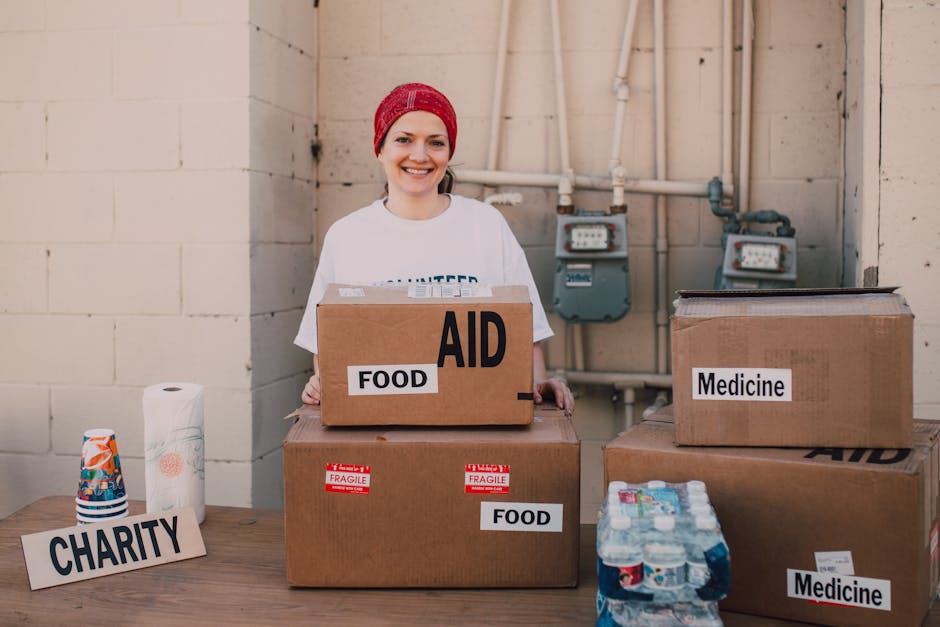
- Connect with your parish’s social justice or outreach ministry to learn how you can support vulnerable neighbors.
- Write a respectful, well-reasoned letter to an elected official about an issue of concern, grounding your position in the principles of the common good.
Blessed are the peacemakers, for they shall be called children of God. (Matthew 5:9)
As these and other challenges continue to unfold, we are not called to be passive spectators. We are invited to be salt and light, engaging the world with a faith that is both compassionate and courageous. This means accompanying families, welcoming the stranger, and speaking truth with love in the public square. It means building a culture where every child is protected, every family is supported, and every person is seen as a beloved child of God. Let us go forth with prayerful confidence, seeking to build a civilization of love, one act of mercy and one word of truth at a time.