
A Consistent Witness: Proclaiming the Gospel of Life in a Complex World
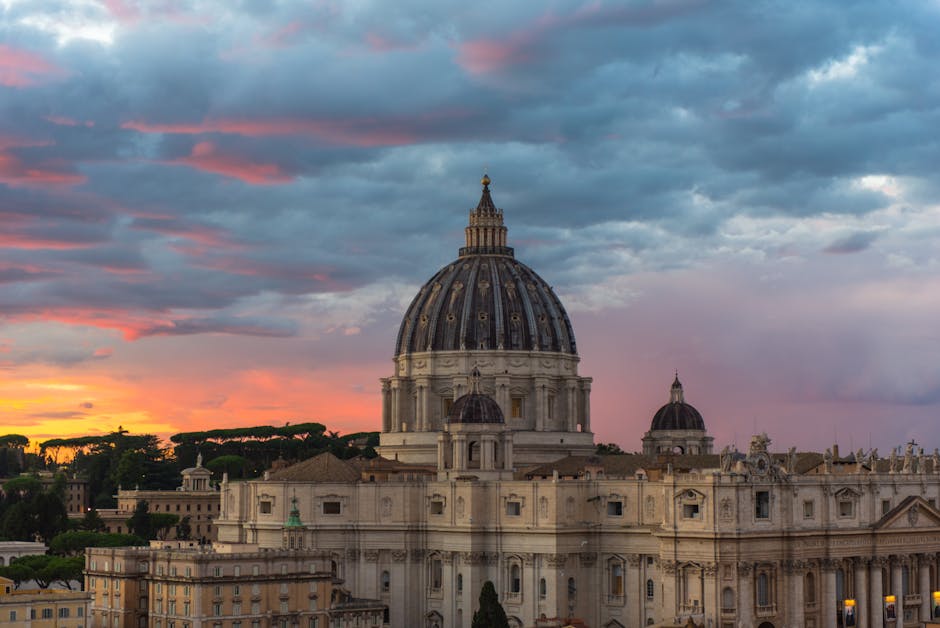
From the heart of the Church in Rome to the public square in our own communities, the Catholic faith is called to be a living, breathing testament to the sacredness of human life. This mission unfolds not only in grand artistic projects that share our story with the world but also in the courageous, principled stands we take on difficult moral questions, such as the use of the death penalty.
Our call is to build a culture where mercy and justice are not opposing forces, but twin pillars supporting the common good. This work requires us to speak with clarity, to act with prudence, and to see in every person—from the unborn child to the convicted criminal—an image of God worthy of profound respect.
The Unchanging Foundation: The Dignity of Every Person
At the center of all Catholic social teaching is a simple but radical truth: every human life has inestimable value from conception until natural death. This belief is not a mere policy preference; it is a direct consequence of our faith in a God who creates, loves, and redeems each of us. It is this conviction that animates the Church’s global efforts to communicate its heritage, such as through cinematic explorations of its most sacred spaces, and its local efforts to transform hearts and laws.
When the Church speaks on an issue like capital punishment, it does so from this deep well of tradition. The teaching, particularly as articulated by the last four popes, has become increasingly clear: in the modern world, the death penalty is an unnecessary and inadmissible affront to the Gospel. St. Pope John Paul II powerfully articulated that society now possesses the means to protect itself and render criminals harmless without definitively denying them the chance for repentance. To end a life, even one that has taken another, is to foreclose the possibility of conversion and to usurp a judgment that belongs to God alone.
This is not a rejection of accountability but a call for a justice that heals rather than simply punishes. The pain of victims and their families is real and demands our compassion and support. Yet, our faith challenges us to move beyond a cycle of violence. We are called to seek a justice that restores, that protects society, and that honors the profound truth that no one is beyond the reach of God’s mercy.
Blessed are the merciful, for they will be shown mercy. (Mt 5:7)
Prudence as a Public Virtue
The Church’s stance is also rooted in the cardinal virtue of prudence. Faith and reason work together, and a prudent examination of the death penalty reveals serious practical and moral problems. Civic leaders, including those who approach the issue from a non-religious perspective, have raised alarms about its implementation. Capital punishment systems can expand the power of the state in dangerous ways, carry the irreversible risk of executing an innocent person, and often consume far more taxpayer resources than life imprisonment.
These concerns underscore that the argument against capital punishment is not only about mercy for the offender; it is also about the health and integrity of our society. A just state must be a careful steward of its power, especially the power over life and death. When we advocate for alternatives to execution, we are also advocating for a more cautious, responsible, and just government for all.
Putting Mercy into Practice
Embracing a consistent ethic of life is more than an intellectual exercise; it is a daily vocation. It challenges us to form our consciences, to engage in difficult conversations, and to be a leaven of mercy in our families, parishes, workplaces, and communities. The table below offers practical ways to cultivate this witness in our own spheres of influence.
| Practice | Where to Apply | Why It Serves the Common Good | First Small Step |
|---|---|---|---|
| Dialogue with Humility | Family dinners, parish groups, online forums | It builds bridges of understanding and reduces the polarization that poisons civic life. | In a disagreement, ask a question to understand the other person’s view before restating your own. |
| Advocacy Rooted in Prayer | Letters to officials, town hall meetings, voter education | It brings Gospel values into the public square and promotes laws that protect human dignity. | Find the contact information for one of your elected representatives. |
| Support for Restorative Justice | Volunteering, parish social action committees, donations | It prioritizes healing for victims and communities while holding offenders accountable. | Search for a local ministry that serves those in prison or families affected by crime. |
| Consistent Moral Witness | Business practices, consumer choices, personal conversations | It demonstrates that the pro-life commitment extends to all stages and circumstances of life. | Review your company’s policies or your family’s budget to see how they align with a respect for life. |
| Prayerful Solidarity | Personal prayer, parish prayer chains, vigils | It unites us with all affected by violence—victims, their families, the accused, and their families. | Add a specific intention for victims of violence and for those on death row to your daily prayers. |
I take no pleasure in the death of the wicked, but rather that they turn from their ways and live. (Ezekiel 33:11)
A Checklist for Building a Culture of Life
Transforming our culture begins with small, intentional actions. Here are a few steps every Catholic can take to contribute to a society that respects the dignity of every person:
- Read the sections on capital punishment and respect for human life in the Catechism of the Catholic Church.
- Find a statement from your local bishop or state Catholic conference on a life issue and share it with a friend.
- Engage with art and media, like the many films and documentaries produced by the Church, that tell the story of faith and the beauty of our tradition.
- Support businesses and organizations that promote human dignity through fair labor practices and charitable giving.
- Learn the story of someone who has been impacted by the criminal justice system, whether a victim, an exoneree, or a family member of an inmate.
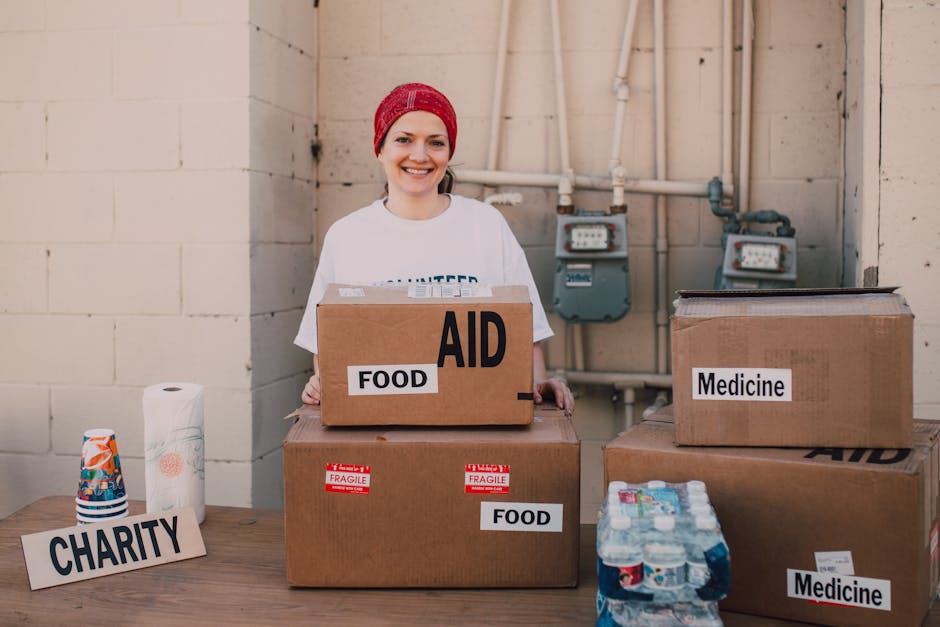
- Participate in a parish-led social justice project that serves the vulnerable in your community.
The call to be witnesses for life is both grand and humble. The same faith that inspires the Vatican to tell the sweeping, centuries-long story of St. Peter’s Basilica also compels a coalition of local pastors to gather and speak for a single life on death row. One is a witness to history and beauty; the other is a witness to mercy and justice. Both are essential forms of evangelization. Both proclaim that every soul matters to God.
As we navigate the challenges of our time, let us anchor ourselves in the Gospel. May our public witness be marked by compassion, our arguments by reason, and our actions by a relentless love for every human person. In doing so, we not only answer the call of our faith but also help build a more just and humane world for generations to come.