Good Stewards of the Household of God
From the sound management of the Holy See’s finances to the appointment of a new shepherd in a Texas diocese, the Church’s mission depends on the faithful and prudent care of God’s gifts.
The Church, in her wisdom, has always understood herself as a household. In this sprawling and sacred home, some are called to manage the material goods that sustain its mission, while others are called to serve as fathers to the family of God. Both roles, whether enacted in the corridors of the Vatican or the parishes of a local diocese, are expressions of the same fundamental virtue: stewardship. It is the solemn duty to care for what is not ours, to cultivate it for the glory of God, and to ensure it bears fruit for generations to come. Recent events in the life of the universal and local Church offer us a powerful illustration of this truth, reminding us that fiscal integrity and pastoral leadership are two pillars supporting the same holy work.
Moreover, it is required of stewards that they be found trustworthy. (1 Cor 4:2)
Putting the Universal House in Order
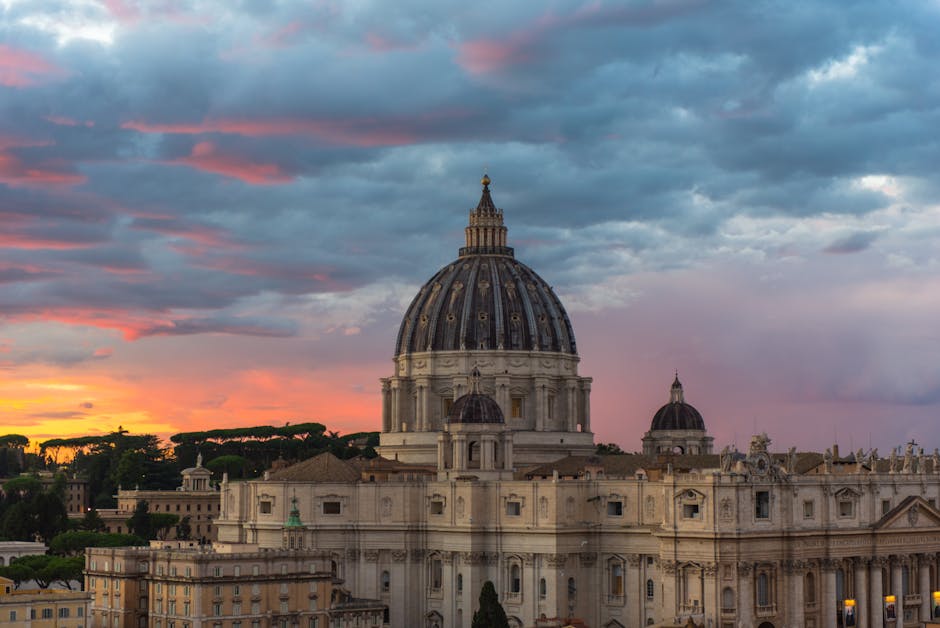
On the global scale, the Holy See has recently demonstrated a renewed commitment to this principle of sound stewardship. After a period of financial deficit, a recent report reveals a significant course correction, culminating in a modest surplus. This is not the language of corporate success but of mission sustainability. This turnaround was achieved not by chance, but through a combination of disciplined cost controls and an increase in the generous support of the faithful and the successful management of Church-run entities like hospitals. The fruits of this discipline are not hoarded but immediately reinvested in the Church’s essential purpose.
A substantial portion of the Holy See’s resources—nearly two-fifths of its spending—is dedicated to supporting local Churches facing difficult circumstances and to the work of evangelization. This allocation reveals the heart of the matter: financial health is sought not for its own sake, but to fortify the Church’s ability to proclaim the Gospel, to serve the poor, and to sustain a pastoral presence around the world through its diplomatic corps. As the Vatican’s economic leadership has emphasized, these positive signs are a foundation upon which to build, not a final destination. The goal is to ensure that every contribution is used effectively to make the Church’s service to the world more resilient and enduring.
A Shepherd for the Local Flock
This same spirit of stewardship finds a different but equally vital expression in the appointment of pastoral leaders. In the Diocese of Corpus Christi, Pope Leo XIV has named Bishop Mario Avilés as its new shepherd. His arrival marks a new chapter of spiritual care for the more than 200,000 Catholics in this south Texas community. A shepherd’s resources are not measured in euros but in wisdom, compassion, and a deep love for his flock.
Bishop Avilés brings a wealth of experience perfectly suited to his new role. Formed in the Oratorian tradition of St. Philip Neri, he has a background steeped in parish life, education, and administration. His ability to speak Spanish, English, and Italian will be an invaluable asset in a border diocese alive with cultural diversity. His episcopal motto is a profound statement of his mission, drawn from the Letter to the Romans.
The love of God has been poured out into our hearts. (Rom 5:5)
This motto signals a ministry founded not on human strategy but on the overflowing charity of God. As he transitions from his previous role as an auxiliary bishop in Brownsville, his former diocese expressed gratitude for his joyful presence and wise counsel. This seamless continuity of care reminds us that the Church is a living body, and the appointment of a bishop is a sacred trust—a stewardship of souls, meant to guide the faithful closer to Christ.
Stewardship in Our Own Lives
The examples of the Holy See and the Diocese of Corpus Christi are not distant events to be observed, but invitations to be answered. Every Catholic is called to practice stewardship in their own state in life. Whether managing a family budget, running a business, or participating in a parish council, we are all entrusted with gifts to be used for the common good.
The Virtue of Prudence in Daily Life
| Practice | Where to Apply | Why It Serves the Common Good | First Small Step |
|---|---|---|---|
| Mission-Driven Budgeting | Family, Parish, Business | It aligns material resources with our spiritual and moral commitments, ensuring our treasure is where our heart is. | Write down the top three priorities of your family or organization and see if your spending reflects them. |
| Investing in Formation | Personal Life, Family, Workplace | It equips us and others to live out the Gospel more fully, strengthening the Body of Christ from within. | Dedicate 15 minutes each day to spiritual reading or listening to a faith-based podcast. |
| Joyful Accompaniment | Parish, Neighborhood, Community | It builds authentic relationships and demonstrates the love of Christ to those we encounter, fulfilling our call to evangelize. | Invite a neighbor or new parishioner for coffee with no agenda other than getting to know them. |
| Generous Support | Diocesan and Universal Church | It enables the Church’s mission in struggling communities and supports the work of the Holy Father. | Research a specific missionary activity of the Church and consider making a small, dedicated donation. |
Here are a few ways to cultivate a spirit of stewardship in your own corner of the vineyard:
- Review your family’s or business’s budget to ensure it aligns with Gospel values of charity and justice.
- Identify one parish ministry dedicated to evangelization or outreach and offer your time or talent.
- Learn about the needs of a Catholic diocese in a mission territory and include its people in your daily prayers.
- Spend time reflecting on your unique gifts and ask God how you can better use them to serve your local community.
- Express gratitude to your pastor or a parish leader for their service and stewardship.
Whether in Rome or in our own homes, the call is the same: to be faithful, prudent, and generous with all that God has given us. By embracing this call, we participate in the great work of building up the household of God, a house that can withstand any storm because it is founded on the rock of Christ’s own love and providence.
Everyone then who hears these words of mine and does them will be like a wise man who built his house on the rock. (Mt 7:24)