The Universal Church at Human Scale
In a world of global networks and digital connections, the Catholic faith remains profoundly local and personal, flourishing not in abstract ideals but in the concrete lives of men and women. From a bustling cathedral welcoming the world’s displaced to a remote island seminary forging priests for mission, the Church’s vitality is revealed in places of encounter, service, and formation.
A Workshop of Welcome on the Bosphorus
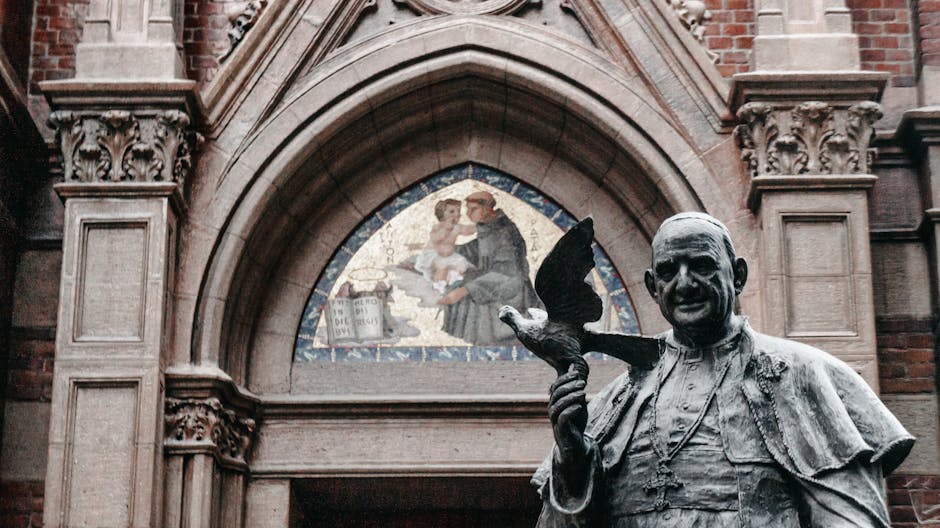
Consider a Catholic cathedral in Istanbul, a city that has long been a crossroads of cultures. This parish is not a historical relic but a vibrant spiritual home for a flock drawn from across the globe. Immigrants from Africa, the Middle East, and beyond gather here, forming a living mosaic of the universal Church. Mass is celebrated in Turkish, English, and French, not as a concession to diversity but as an expression of a communion that transcends language and embraces every person. Here, the faith is lived on the front lines of human need. The parish is more than a place of worship; it is a hub of practical mercy, offering educational programs, medical assistance, and psychological support to those navigating the complexities of life in a new land.
The witness of this community is a powerful lesson for every parish. It is a reminder that our churches are called to be sanctuaries of belonging, especially for those who feel like outsiders. In this parish, an Iranian man who converted to Christianity finds the freedom to pray without fear. A young Cameroonian leads the youth group, channeling his energy into building a future for the next generation. A Lebanese choir member sees in the Church’s leaders a continuity of purpose—a blend of theological depth, revolutionary humility, and pastoral warmth. Their stories are not headlines but testimonies to a faith that provides peace and purpose amid hardship.
Even the liturgy reflects this deep history and living unity. When the choir sings in Syriac, the ancient language of Jesus, it is a thread connecting the modern, multicultural community to the very roots of Christianity in the East. It is a prayer in a tongue that binds East and West, reminding all that the Body of Christ is built from a shared memory and a common hope for peace.
For in Christ Jesus you are all sons of God, through faith.
Gal 3:26
A Garden of Formation in the Far East
Half a world away, on the Indonesian island of Flores, another kind of witness unfolds. In a region with a strong Catholic identity, seminaries are quietly cultivating the next generation of missionary priests who will serve the global Church. At the heart of this vocational abundance is a profound understanding of priestly formation not as an academic track, but as a holistic “school of life.”
In places like St. Paul’s Major Seminary in Ledalero, the path to the priesthood is intentionally long and demanding. It involves years of philosophy and theology, interwoven with pastoral service. The goal is not to create ecclesiastical managers or public figures, but to form emotionally mature, disciplined, and spiritually grounded men. The priests who emerge from this process are shaped to be servants, not seekers of status—men of integrity who are passionate about their mission.
This formation is rooted in the soil of daily life. Seminarians do not just study; they pray, work, and serve together. They cook their own meals, tend gardens, and raise livestock, fostering a spirit of self-reliance and humility. Their pastoral work takes them to the margins: they mentor young people, visit prisoners, and offer comfort to patients living with HIV. When a volcano erupted, these future priests were on the ground, assisting with evacuations and relief efforts. This is not extra credit; it is the curriculum. They learn theology in the classroom and practice solidarity in the community, embodying the Church’s call to stand with those in peril.
Whoever would be great among you must be your servant.
Mk 10:43
Bringing the Witness Home
The examples from Istanbul and Flores are not distant curiosities but living models for Catholic life everywhere. They challenge us to ask how our own families, parishes, and workplaces can become centers of authentic communion and humble service. The virtues they display—unity, mercy, solidarity, and a servant’s heart—are not reserved for popes or missionaries; they are the practical tools for every believer seeking to build up the common good.
Practices for a Church of Encounter
| Practice | Where to Apply | Why It Serves the Common Good | First Small Step |
|---|---|---|---|
| Cultivating Unity in Diversity | Parish life, workplace teams, neighborhood associations. | It builds bridges of understanding and respect, replacing suspicion with relationship and enriching the whole community. | Intentionally greet and speak with someone at Mass who comes from a different cultural background than your own. |
| Integrating Mercy and Justice | Family life, Catholic-owned businesses, civic engagement. | It ensures that charity is paired with efforts to address root causes of suffering, creating lasting and dignified solutions. | Support a local organization that not only provides aid to the needy but also advocates for their rights and opportunities. |
| Embracing Humble Service | Every role: parent, employee, manager, citizen. | It shifts the focus from personal gain to the well-being of others, fostering a culture of generosity and mutual support. | Identify one task at home or work that no one wants to do, and complete it cheerfully without seeking recognition. |
| Fostering Solidarity | Local community, response to crises, business practices. | It recognizes our shared humanity and responsibility for one another, especially those who are most vulnerable. | When a local or global crisis occurs, research and donate to a reputable Catholic relief agency. |
| Preserving Sacred Memory | Family traditions, parish archives, intergenerational dialogue. | It grounds our present actions in a rich history of faith, providing wisdom and inspiration for facing modern challenges. | Ask an older member of your parish to share a story about its history or a moment of great faith they witnessed. |
To put these virtues into practice requires intentional effort. Here is a simple checklist to help you begin building a culture of encounter in your own sphere of influence:
- Schedule a “listening session” at work or in a ministry group where the only goal is to understand the experiences and perspectives of others, especially those who are often quiet.
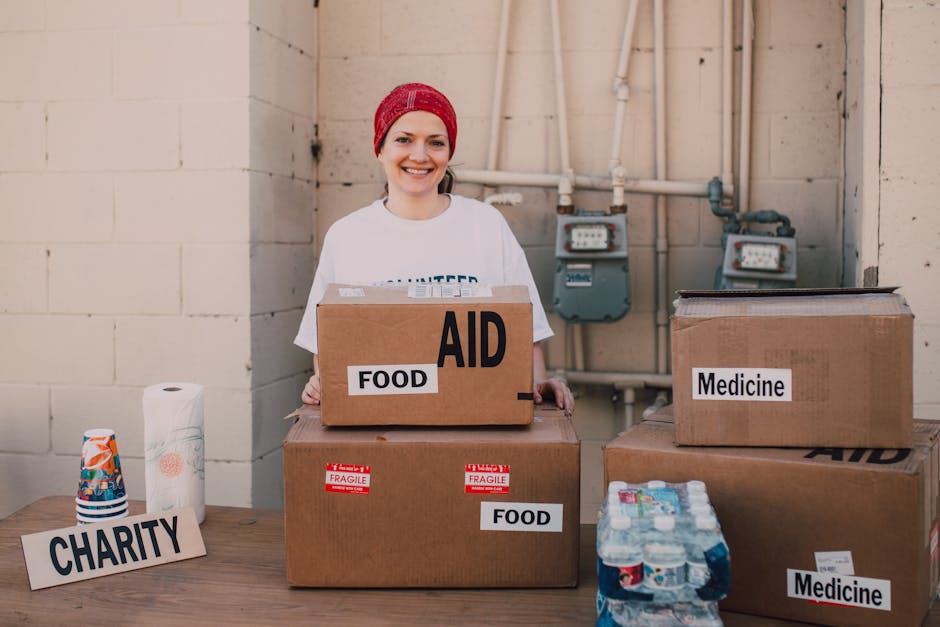
- Identify one practical need in your community—such as for a food pantry, a tutoring program, or elder care—and volunteer one hour of your time.
- In family prayer, begin regularly praying by name for missionaries, for persecuted Christians, and for the diverse ethnic communities within your own diocese.
- When making purchasing decisions, research one company to ensure its labor practices align with the principles of human dignity and justice.
- Read the story of a saint from a different part of the world to broaden your understanding of how the faith is lived across cultures.
The life of the Church is a current of grace that flows across every continent and into every human heart. It is made visible in the steadfast faith of a migrant in Istanbul and in the disciplined formation of a seminarian on Flores. These witnesses remind us that our call as Catholics is not to retreat from the world but to carry Christ’s mercy, peace, and justice into it. By cultivating unity, embracing humble service, and standing in solidarity with the vulnerable, we participate in this universal mission, transforming our small corner of the world into a true home for all God’s children.